

 Contact Us
 Locations
 Job Openings at North Central Health District
 Internships
 Board of Health
 Cost and Insurance
 Privacy Policy
 Teens & Adults
 For Children
 Other Programs
 County Environmental Health Offices
 Chemical Hazards
 Tourist Accommodations
 Food Service
 Rabies Control
 Lead Poisoning Prevention
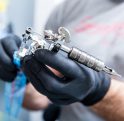 Body Art
 Land Use
 Swimming Pool Program
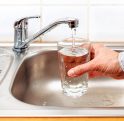 Water Testing for Private Wells
 Environmental Health Complaints
 Georgia Food Recall Alerts
 Personal & Family Preparedness
 Emergency Preparedness for Functional & Access Needs
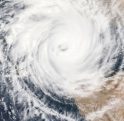 Severe Weather Preparedness
 Emergency Preparedness Training
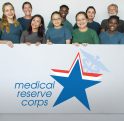 Medical Reserve Corps
 Regional Healthcare Coalitions
 Strategic National Stockpile/Medical Countermeasures
PrEP
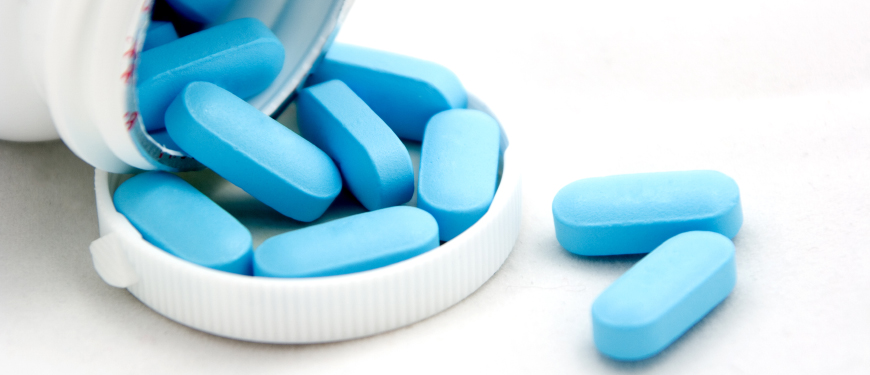
Prevent the Spread of HIV with PrEP
Pre-exposure prophylaxis (PrEP) is a medicine that you can take to help prevent the transmission of HIV. It’s usually prescribed as a pill that you can take daily by mouth. PrEP has been shown to reduce the risk of HIV infection through sexual contact.
Who Should Take PrEP?
PrEP is for HIV-negative individuals who:
- Are in a relationship with an HIV-infected partner
- Are gay, bisexual or heterosexual and aren’t in a monogamous relationship, but may have high-risk partners (injection drug users or bisexual with unknown HIV status)
- Inject drugs and share needles or other equipment
Are You Ready for PrEP?
Does PrEP Protect Against STIs?
No. PrEP does not protect you or your partner from spreading other sexually transmitted infections (STIs). In addition, PrEP will not prevent women from becoming pregnant.
What’s Involved?
PrEP is a very simple medicine to take. We prescribe Truvada, a name-brand PrEP medicine.
- Step 1: Get tested to make sure you’re HIV-negative.
- Step 2: Take Truvada once a day.
- Step 3: See your health care provider at 3- and 6-month intervals to make sure you’re doing well. Some bloodwork is necessary during follow-up visits.
How Can I Get PrEP?
PrEP is a prescription-only medicine, so you should make an appointment with your healthcare provider if you think you’re a good candidate for this medicine. Find a health department near you that prescribes PrEP medicines and make appointment to learn more.
Make an Appointment Today
Call your nearest health department to ask questions or make an appointment!

Additional Resources:





